How a Pool Company Helps You Choose the Right Pool Size for Your Yard
Choosing the right pool size is one of the most important decisions you will make when planning an outdoor upgrade. The size you select influences how your yard looks, how the space functions, and how much you will invest upfront and over time. A pool that is too large can overwhelm your yard and budget, while one that is too small may not meet your lifestyle needs. Working with a pool company can help translate your ideas into a design that fits your space without sacrificing comfort or usability. By carefully thinking through layout, usage, and long-term goals, you can create a backyard feature that feels intentional and balanced.
There are many factors to weigh when narrowing down your options. Yard dimensions, intended use, and financial considerations all play a role in determining the right fit. A pool company can also guide you through design possibilities that align with your property and preferences. This article walks through each of these elements in a clear and structured way, helping you better understand how to match your yard with the right pool size. With thoughtful planning, you can create a space that supports relaxation, recreation, and visual appeal for years to come.
Evaluating Yard Space and Layout
Understanding your yard’s physical dimensions is the first step in choosing the right pool size. Measuring the length and width of your available space gives you a realistic framework to begin planning. It is important to account for permanent structures like patios, fences, and landscaping features that may limit where a pool can go. A pool company can assist in mapping out these constraints and identifying workable layouts that maintain flow throughout your yard.
Considering the shape of your yard is just as important as measuring it. Rectangular yards often accommodate standard pool designs, while irregularly shaped spaces may benefit from custom layouts. Choosing a pool that complements the natural shape of your yard can make the entire area feel more cohesive. A pool company can recommend shapes that maximize usable space while still leaving room for walkways, seating, and greenery.
Local regulations and environmental conditions also influence pool size decisions. Zoning rules may dictate how far your pool must sit from property lines or structures. Soil conditions and drainage can affect construction requirements as well. By working with a pool company familiar with local guidelines, you can avoid setbacks and plan a pool that fits both your yard and regulatory expectations.
Defining Pool Purpose and Lifestyle Needs
The way you plan to use your pool should directly impact its size and layout. If your goal is family recreation, a larger pool with varying depths may be the best fit. Features like shallow play areas and deeper sections create flexibility for different age groups. A pool company can help design a layout that balances activity and relaxation zones within a single space.
If entertaining is a priority, you may want a pool that accommodates groups comfortably. This often means incorporating surrounding deck space, seating areas, and easy entry points. A larger pool can support social gatherings, but the overall layout matters just as much as size. A pool company can suggest configurations that encourage interaction while keeping the area functional and inviting.
For those focused on fitness or relaxation, the ideal size may look different. Lap pools are typically longer and narrower, while smaller plunge pools emphasize comfort and simplicity. According to Ibis World, as of 2023, there are 15,799 Swimming Pool Construction businesses in the US. This wide range of businesses reflects the many design options available, giving homeowners greater flexibility to find a pool size and style that fits their specific needs.
Comparing Pool Types and Size Requirements
Different pool types come with varying space requirements, which can help guide your decision. Inground pools tend to offer the most flexibility in size and design, making them a popular choice for homeowners seeking a permanent feature. A pool company can customize these pools to fit your yard precisely, whether you prefer a compact design or a more expansive layout.
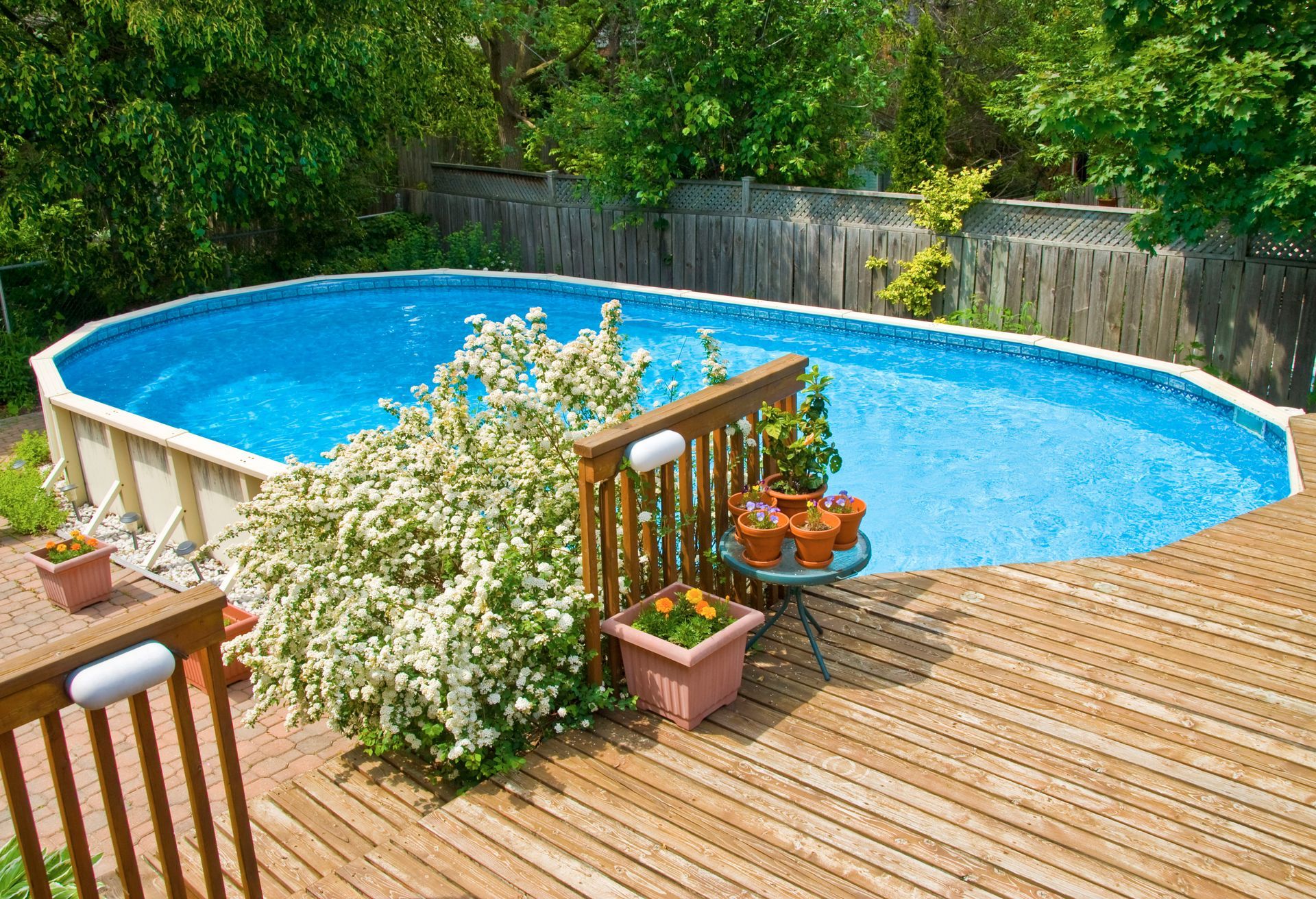
Above-ground pools generally require less space and preparation, making them a practical option for smaller yards. While they may not offer the same level of customization, they can still provide a satisfying swimming experience. A pool company can help determine whether this option aligns with your long-term plans and available space.
Specialty pools like lap pools and plunge pools are designed with specific purposes in mind. Lap pools prioritize length for exercise, while plunge pools focus on relaxation in compact areas. These options are ideal when space is limited, but you still want a functional water feature. A pool company can recommend which type best fits your yard and intended use without overextending your space.
Planning Budget and Long-Term Costs
Budget plays a major role in determining pool size, as larger pools typically come with higher installation and maintenance costs. Excavation, materials, and labor all increase with size, so it is important to set realistic expectations early. A pool company can provide detailed estimates that help you understand how size impacts overall cost.
Ongoing expenses should also factor into your decision. Larger pools require more water, chemicals, and cleaning, which can add up over time. Smaller pools may be more manageable in terms of maintenance, making them an appealing choice for homeowners looking to control long-term costs. A pool company can outline what to expect so you can plan accordingly.
Financing options can make a pool project more accessible, but they should be approached thoughtfully. Loans or payment plans may allow for a larger pool, but it is important to consider how those payments fit into your overall financial picture.
Addressing Safety and Legal Requirements
Safety considerations are essential when deciding on pool size and placement. Larger pools may require additional safety features such as fencing, covers, and alarms. These elements not only protect users but also help meet local regulations. A pool company can guide you through these requirements and incorporate them into your design.
Permits and approvals are another important aspect of the planning process. Depending on your location, you may need to submit plans and obtain permission before construction begins. Pool size can influence these requirements, especially if it affects property boundaries or drainage.
Selecting the right pool size involves balancing space, purpose, budget, and future goals. Each decision you make contributes to how well the pool integrates with your yard and lifestyle. From evaluating your available space to considering long-term costs and property value, every factor plays a role in shaping the outcome. A pool company can guide you at every stage, helping you turn ideas into a cohesive and practical design that fits your needs. Taking the time to plan carefully now can lead to a more enjoyable and functional outdoor space for years to come.
As you move forward, take the time to carefully assess your priorities and explore your options. The right pool size can transform your yard into a space that supports relaxation, recreation, and connection. Whether you are starting with a clear vision or just beginning to explore possibilities, partnering with a pool company can make the process more efficient and rewarding. Start planning today with Bella Pools, and take the first step toward creating a backyard space that truly works for you.

Share On: